How to build a Rod Wave type beat with a sampled melodic loop in E minor at 178 BPM
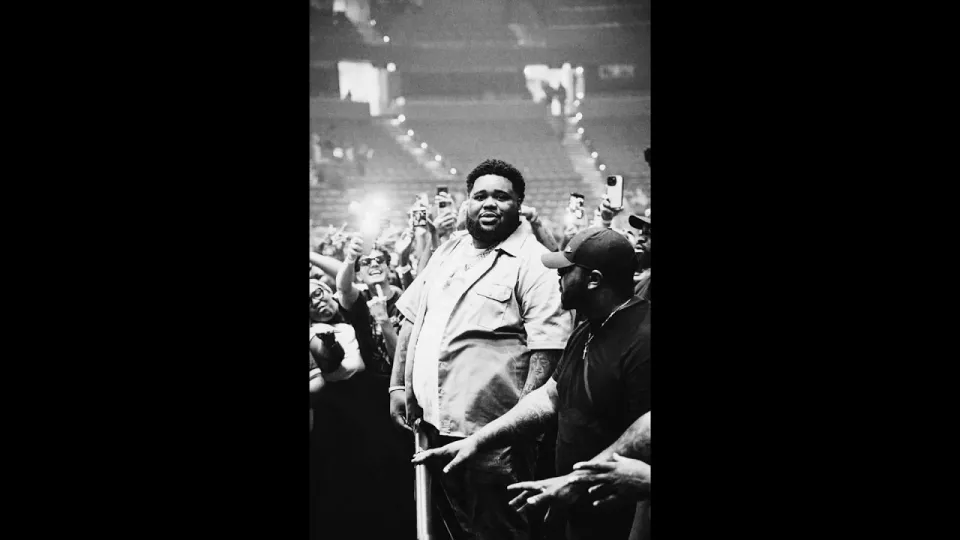
Video: [FREE] Rod Wave x Toosii Sample Type Beat - "Scared to Be In Love" | Melodic Type Beat
· based on the channel swanton
A Rod Wave type beat is a slow, emotionally heavy melodic trap instrumental built around piano or guitar samples, wide 808s and half-time drums, usually in a minor key. The reference point here is swanton's "Scared to Be In Love," a Rod Wave x Toosii sample type beat in E minor at 178 BPM, which you can listen to and license on BeatStars. This guide breaks down how that sound is built so you can make your own version from scratch.
What defines the Rod Wave type beat sound
The core of the style is emotional contrast: sad, sample-driven harmony sitting on top of hard, sparse drums. Rod Wave's catalog leans on soul and gospel loops, piano figures with heavy reverb, and vocals that sit somewhere between singing and rapping. A type beat in this lane needs room for that vocal — the instrumental should feel full but never crowded.
Key ingredients:
- A looped sample or sample-style melody, usually piano, guitar or a filtered vocal chop.
- A minor key — E minor, C minor and A minor are the most common choices for pain type beats.
- Slow perceived tempo with half-time snares, even when the project tempo is fast.
- 808s that carry the bassline melodically rather than just hitting root notes.
- Minimal percussion: closed hats, occasional rolls, soft claps, very little else.
Toosii's records push the same formula slightly brighter and more melodic, which is why a Rod Wave x Toosii blend works: the loop can be pretty and singing-friendly while the drums stay heavy enough for a pain type beat.
Choosing and flipping a sample for a melodic type beat
A sample type beat lives or dies on the loop, so spend most of your session there. Start with a 4- or 8-bar phrase that has clear emotional weight — a piano progression, a guitar arpeggio, or a vintage soul record with an isolated intro.
A practical workflow:
- Find a phrase with a strong first chord and no vocal bleed over the section you want.
- Time-stretch it to your project tempo before doing anything else; at 178 BPM a two-bar loop moves fast, so check that the transients still land cleanly.
- Pitch it to fit a minor key — E minor in this case — rather than transposing your whole arrangement around the sample.
- Filter and saturate: roll off sub-bass below roughly 100 Hz so the 808 has space, and add gentle tape or console saturation to glue the loop together.
- Chop the last bar so the phrase never resolves fully; an unresolved loop keeps the track feeling tense, which suits this style.
If you are not sampling a record, build the loop yourself with a Rhodes or felt piano, a clean electric guitar and a light vinyl layer. Keep the chord movement slow — two to four chords per phrase is enough.
Arranging drums and 808s at 178 BPM
178 BPM looks fast on paper, but in this style it is a double-time count. The perceived groove sits around 89 BPM, so the snare lands on beat 3 of each bar and the hats subdivide underneath. Program the drums with that half-time feel in mind and the tempo stops feeling rushed.
A workable drum layout:
- Kick on beat 1, with a second kick pushing into beat 3 for movement.
- Snare or clap on beat 3 only — no backbeat on 2 and 4.
- Closed hats in eighth or sixteenth notes, with a triplet roll at the end of every fourth bar.
- A soft open hat or crash at the top of each 8-bar section.
For the 808, treat it as a bass instrument. Match the root of each chord, glide between notes, and leave gaps where the kick hits so the low end stays clean. Sidechain the 808 to the kick lightly rather than stacking both at full level.
Mixing for a vocal that sits like Rod Wave or Toosii
Mix the beat around an imaginary vocal. Carve a pocket between roughly 1 kHz and 4 kHz so a singing-rap vocal can cut through without fighting the sample.
Priorities in order:
- Balance the 808 and kick first; they should read as one low-end element.
- Bring the sample loop up until it feels like the emotional center, then pull it back 1–2 dB.
- Widen the melody with light stereo processing, but keep the 808, kick and snare mono.
- Add reverb to the loop and snare, not to the 808.
- Leave headroom — aim for peaks around -6 dB on the instrumental so the vocal has room to breathe.
Free download rules and licensing for type beats
The free version of a type beat is almost always non-profit only, and swanton's terms are explicit about it. The free download can be used on non-monetized platforms such as SoundCloud or a non-monetized YouTube video, and the release must credit the producer as (prod. @swanton).
Commercial use is different. Distribution to Spotify, Apple Music, monetized YouTube or any profit-releasing platform requires a lease or exclusive purchase. Releasing a monetized song on the free version will result in copyright claims or takedowns. Leases are sold through BeatStars, and the store currently runs a buy-2-get-1-free offer that applies automatically when three beats of the same license type are added to the cart.
Common questions producers ask about pain type beats
Tempo is the most frequent sticking point: 178 BPM sounds wrong until you realize the groove is half-time. New producers also ask whether the sample has to be a real record — it does not, and many melodic type beats use original piano or guitar loops that are simply processed to sound sampled.
Another recurring issue is key. E minor is popular because it sits comfortably for male voices in a singing-rap register, but C minor and A minor work equally well. Finally, many people wonder whether they can pitch a free beat up or down and still release it — the license terms do not change based on edits, so a pitched free beat is still non-profit only.
All links from the video
- Buy or license the beat: https://bsta.rs/wkG6yH
- Full beat store: https://www.beatstars.com/beatsbyswntn/tracks
- Producer Instagram: https://www.instagram.com/swantonmadeit/
Final thoughts on making a Rod Wave type beat
A convincing Rod Wave type beat comes down to one strong, unresolved sample loop, half-time drums at a double-time tempo, and an 808 that behaves like a bassline. E minor at 178 BPM is a proven starting point, and the arrangement should always leave space for a singing-rap vocal. swanton's video breakdown of "Scared to Be In Love" shows how a Rod Wave x Toosii blend sounds when those elements are locked in. If you want to build on that template, grab the beat or a lease here and start writing over it.
Key takeaways
- The reference track "Scared to Be In Love" by swanton is a Rod Wave x Toosii sample type beat in E minor at 178 BPM.
- Free downloads are licensed for non-profit use only; monetized releases need a purchased lease or exclusive.
- Credit must read (prod. @swanton) on any free release.
- Leases run through BeatStars with a buy-2-get-1-free offer on the same license tier.
- 178 BPM in double-time feel reads as roughly 89 BPM at half time.
Questions & answers
Why is a Rod Wave type beat at 178 BPM so slow if the tempo is that high?
The tempo is counted in double time, so the perceived groove is around 89 BPM. The snare lands on beat 3 of each bar instead of 2 and 4, which creates the half-time feel typical of this style.
Can I release a song on a free Rod Wave type beat on Spotify?
No. Free downloads are licensed for non-profit use only, such as non-monetized SoundCloud or YouTube uploads. Spotify, Apple Music and monetized videos require a purchased lease or exclusive rights.
Do I have to credit the producer if I use the free version?
Yes. The credit must appear as (prod. @swanton) on any release using the free download. Skipping the credit or monetizing without a license leads to copyright claims or takedowns.
Does the sample have to come from a real record?
Not necessarily. Many melodic type beats use original piano, guitar or vocal-chop loops processed with filtering and saturation to sound sampled. What matters is the emotional weight and the unresolved phrasing of the loop.
Source: [FREE] Rod Wave x Toosii Sample Type Beat - "Scared to Be In Love" | Melodic Type Beat · Markdown version